To call oneself an American is not a birthright casually claimed—it is a debt owed to every soldier who paid for that name in blood, and to every family at home who paid for it in worry. Respect for the soldier is not optional in this country; it is the foundation on which the rest of the house stands.
Soldiers fight the battles that cost them in blood. Those at home pay a quieter but no less real price—the cost of simply knowing their soldier is out there, in harm's way, while life at home tries to move forward as if it were normal. That duality, the battlefield and the kitchen table, is the true shape of American sacrifice.
Why Warriors Make the Best Peacemakers
It is no accident that some of the nation's most measured, most cautious politicians have been former military men. They had stood close enough to war to know its true weight, unlike those who only theorize about it from a podium. The generation that fought World War II and Korea carried that same awesome dread with them into public life, and it tempered their decisions with a gravity that peacetime politicians rarely possess.
The Last of the Draft-Era Americans
Now that same spotlight has shifted to Vietnam veterans, who have been dying at an irregular, accelerating pace since the war's end—a slow unraveling driven by mental illness, PTSD, substance abuse, and criminality that has taken full measure of this distinctive group. Roughly 300,000 African Americans served in Vietnam, a group that made up nearly 25 percent of Army enlisted personnel despite being only 12 percent of the U.S. population, and who bore a disproportionate share of the war's casualties and its lingering wounds.
They are the last of the draft-era Americans of the 20th century, and they are becoming more extinct with each passing day—taking with them a kind of morale and courage that once carried a nation through conflict far and near.
When the Warriors Fade, the Family Frays
The disintegration of these warriors, and their diminished capacity to make profound decisions within their own families and communities, is quietly eroding the American family itself. What is left in the wake is a nation increasingly populated by social commentary—people who critique from a distance rather than serve up close—ending what many still call the good old days, when Americans carried genuine pride for their nation and understood duty as a privilege rather than an obligation.
Duty as Privilege, Not Right
In my own duty, honor, and years of serving this country, I have come to understand that calling myself an American is not simply a right of birth—it is a patriotic right I earned in the blood, sweat, and turmoil of conflict. That distinction matters: citizenship may be given, but the deeper claim to what it means to be American is something forged, not inherited.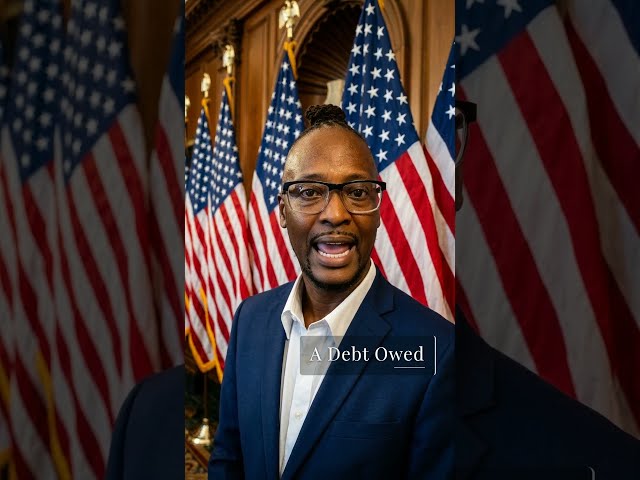


September 4, 2026
The American Experience: What It Means to Be an American