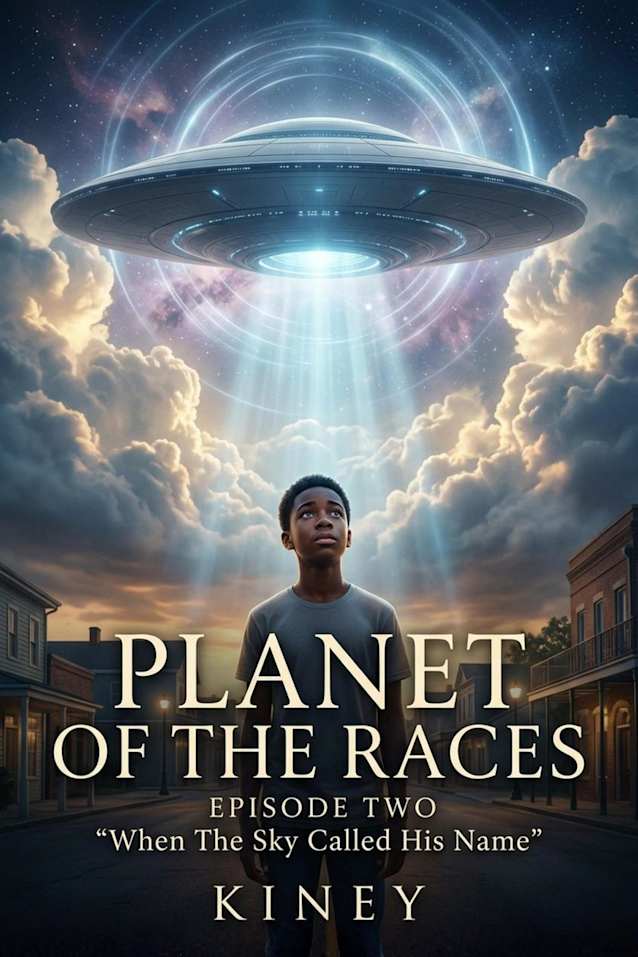
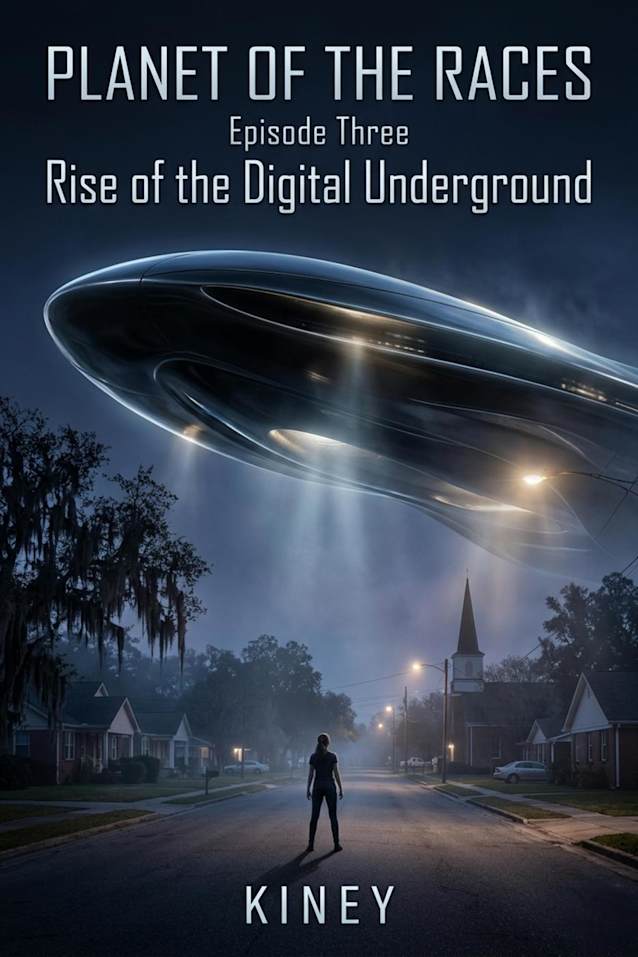
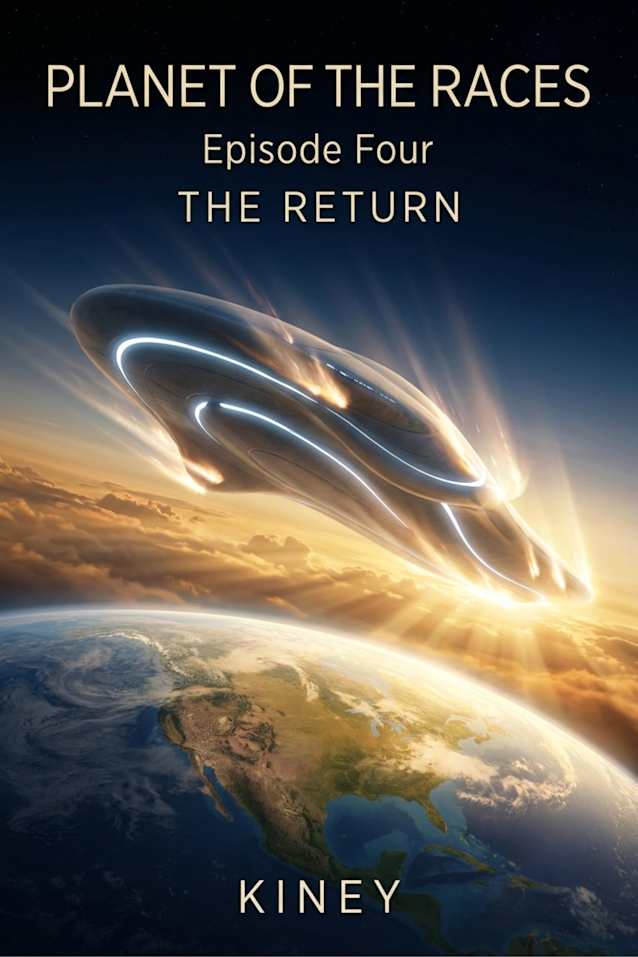
Planet of the Races
Readers love this series because beneath the high-concept sci-fi, it carries a sharp, nuanced truth: ⨰i⋲ is hunted as a criminal before he ever gets the chance to prove he's peaceful. Neighborhood profiling, pushed out into extraterrestrial space. It takes the familiar fallout of being misjudged on sight and stretches it to the cosmic level — turning everyday racial and community profiling into alien profiling. The question underneath it all: what does it mean when our first instinct is to fear and target, rather than listen and understand?
It's really a story about us.
That one fact forces the planet — and the people ⨰i⋲ meets from Houston to Louisiana — to reveal who they are when faced with the unknown. Some reach for weapons. Some reach for understanding. Joy Joseph's community recognizes in his treatment a pattern they already know too well: being misnamed, misused, turned into a problem. This series doesn't just ask "What would we do if aliens came?" It asks the harder question: "What does our first response say about us?" In ⨰i⋲'s eyes, humanity's mix of technical brilliance and moral immaturity is both shocking and painfully familiar — his culture left war behind in "the deep shame of forgotten ages." Ours hasn't. That tension is where Joy Joseph creates the emotional charge that keeps readers turning pages. Readers come for the speculative adventure. They stay because Planet of the Races keeps the verdict open — refusing to reduce humanity to monsters or heroes. It invites you into that fragile space between domination and understanding, where an alien might finally be met not as a weapon, a resource, or a threat — but as a neighbor. Where, for once, comprehension has a chance to outrun conquest.
🖤🛰️📖 #BlackSciFi #PlanetOfTheRaces
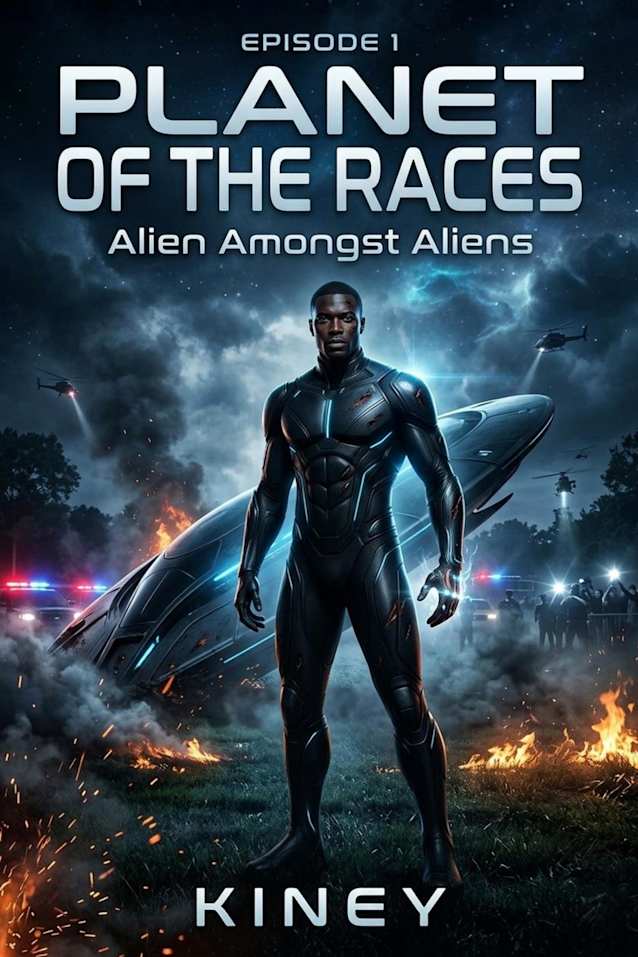
Planet Of The Races- Episode One- Alien Amongst Aliens